
Empowering Indigenous Communities Through Strategic Consulting
Indigenous communities around the world face unique challenges that often stem from historical injustices, economic disparities, and cultural disconnection. However, strategic consulting can serve as a powerful tool to empower these communities, helping them navigate their challenges and seize opportunities for growth and development. This blog post explores how strategic consulting can uplift Indigenous communities, providing practical examples and insights into successful initiatives.

Understanding the Role of Strategic Consulting
Strategic consulting involves providing expert advice to organizations or communities to help them achieve their goals. In the context of Indigenous communities, this can mean:
Identifying needs: Understanding the specific challenges and opportunities within the community.
Developing strategies: Crafting tailored plans that align with the community's values and aspirations.
Implementing solutions: Assisting in the execution of strategies to ensure sustainable outcomes.
By focusing on these areas, strategic consulting can help Indigenous communities reclaim their narratives, strengthen their economies, and preserve their cultural identities.
The Importance of Cultural Sensitivity
One of the most critical aspects of consulting with Indigenous communities is cultural sensitivity. Consultants must approach their work with respect for the community's traditions, values, and governance structures. This means:
Engaging with community leaders: Building relationships with elders and other influential figures to gain trust and insight.
Listening actively: Prioritizing the voices of community members to understand their perspectives and needs.
Respecting traditions: Acknowledging and integrating cultural practices into the consulting process.
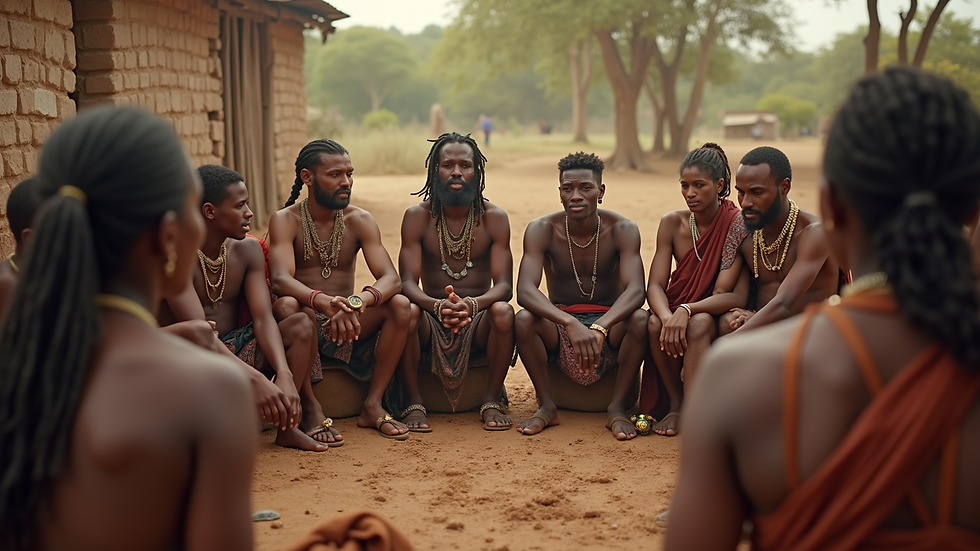
For example, a consulting firm working with a Native American tribe might hold community meetings in traditional gathering spaces, allowing for a more comfortable and familiar environment for discussions.
Case Study: Economic Development Initiatives
A notable example of strategic consulting empowering Indigenous communities can be seen in economic development initiatives. In Canada, the First Nations Development Institute has partnered with various Indigenous communities to enhance their economic self-sufficiency.
Key Strategies Employed
Capacity Building: Providing training and resources to community members to develop skills in entrepreneurship, financial management, and marketing.
Business Planning: Assisting communities in creating business plans that reflect their unique strengths and market opportunities.
Access to Funding: Helping communities navigate funding opportunities, including grants and loans tailored for Indigenous businesses.
Outcomes
As a result of these initiatives, several Indigenous communities have successfully launched businesses that not only generate income but also create jobs and promote cultural heritage. For instance, a tribe in British Columbia developed a tourism venture that showcases their history and traditions, attracting visitors and fostering cultural exchange.
Enhancing Education and Training
Education is a cornerstone for empowering Indigenous communities. Strategic consulting can play a vital role in improving educational outcomes by:
Developing tailored curricula: Creating educational programs that incorporate Indigenous knowledge and perspectives.
Supporting mentorship programs: Connecting youth with role models from their communities to inspire and guide them.
Facilitating partnerships: Collaborating with educational institutions to provide resources and support for Indigenous students.
Example: The Indigenous Education Coalition
The Indigenous Education Coalition has worked with various tribes to enhance educational opportunities for Indigenous youth. By focusing on culturally relevant teaching methods and community involvement, they have seen increased graduation rates and higher enrollment in post-secondary education.
Promoting Health and Well-being
Health disparities are prevalent in many Indigenous communities, often due to a lack of access to healthcare services and culturally appropriate care. Strategic consulting can help address these issues by:
Assessing health needs: Conducting community health assessments to identify specific health challenges.
Developing health programs: Creating initiatives that focus on prevention, education, and culturally relevant care.
Building partnerships: Collaborating with healthcare providers to improve access to services.
Case Study: The Alaska Native Tribal Health Consortium
The Alaska Native Tribal Health Consortium has implemented various health programs aimed at improving the well-being of Alaska Native communities. Through strategic consulting, they have developed initiatives that address mental health, substance abuse, and chronic diseases, leading to improved health outcomes.
Environmental Stewardship and Sustainability
Many Indigenous communities have a deep connection to the land and natural resources. Strategic consulting can support these communities in sustainable practices by:
Promoting traditional ecological knowledge: Integrating Indigenous wisdom into environmental management strategies.
Supporting conservation efforts: Helping communities develop plans to protect their natural resources.
Facilitating renewable energy projects: Assisting in the transition to sustainable energy sources that align with community values.
Example: The Blackfeet Nation
The Blackfeet Nation in Montana has engaged in strategic consulting to develop sustainable land management practices. By combining traditional ecological knowledge with modern conservation techniques, they have successfully restored habitats and improved biodiversity on their lands.
Building Strong Governance Structures
Effective governance is essential for the success of any community initiative. Strategic consulting can aid Indigenous communities in strengthening their governance by:
Assessing governance frameworks: Evaluating existing structures to identify areas for improvement.
Providing training: Offering workshops on governance best practices, leadership development, and conflict resolution.
Facilitating community engagement: Encouraging participation in decision-making processes to ensure that all voices are heard.
Case Study: The Navajo Nation
The Navajo Nation has worked with consultants to enhance their governance structures, focusing on transparency and accountability. By implementing new policies and engaging community members, they have seen increased trust in leadership and improved community participation.
Conclusion
Empowering Indigenous communities through strategic consulting is not just about providing solutions; it is about fostering relationships, respecting cultures, and building capacity for sustainable growth. By focusing on education, health, economic development, environmental stewardship, and governance, strategic consulting can help Indigenous communities reclaim their narratives and thrive in today's world.
As we move forward, it is crucial for consultants and organizations to approach their work with humility and a commitment to listening. By doing so, we can create a future where Indigenous communities are empowered to lead their own paths, ensuring their cultures and traditions continue to flourish for generations to come.
Call to Action
If you are part of an Indigenous community or an organization looking to support Indigenous empowerment, consider reaching out to strategic consultants who specialize in community engagement and development. Together, we can build a brighter future that honors the rich heritage and potential of Indigenous peoples.

Comments